


Benefits of Virtual Reality: The Future of VR in Everyday Life
Virtual reality is no longer just a technology for gamers and entertainment enthusiasts. As innovation continues to advance, the benefits of virtual reality are becoming increasingly evident in everyday life. From education and healthcare to business and communication, VR is transforming the way people interact with the digital world. With more affordable devices and immersive experiences, virtual reality is shaping the future and opening new possibilities for individuals and industries alike.
Understanding Virtual Reality
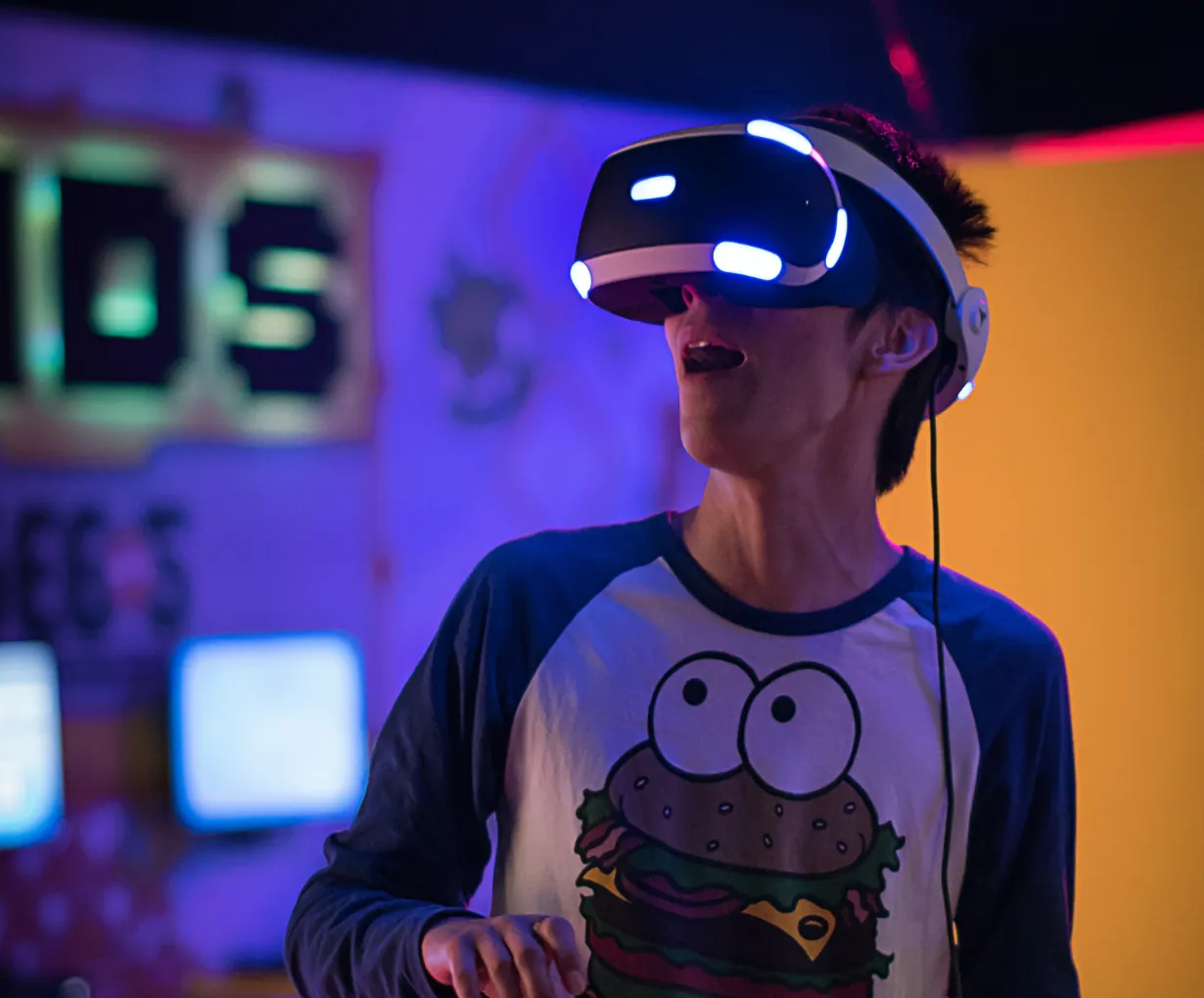
Virtual reality, commonly known as VR, is a technology that creates immersive digital environments where users can interact with computer-generated objects and experiences. Through VR headsets and controllers, people can enter virtual worlds that feel realistic and engaging. As hardware becomes more powerful and accessible, virtual reality is finding applications far beyond gaming and entertainment.
Benefits of Virtual Reality in Daily Life
One of the greatest benefits of virtual reality is its ability to create engaging and interactive experiences. Businesses, educational institutions, and healthcare providers are increasingly adopting VR technology to improve efficiency and provide better experiences.
Revolutionizing Education
Education is one of the sectors experiencing major changes due to VR technology. Students can explore historical sites, conduct virtual science experiments, and understand complex concepts through interactive simulations. Virtual learning environments help improve engagement and make education more accessible. Professional training in fields such as aviation, medicine, and engineering also benefits from realistic VR simulations that provide practical experience without real-world risks.
Transforming Healthcare and Therapy
Healthcare professionals are using virtual reality for therapy, rehabilitation, and medical training. Patients suffering from anxiety, stress, and phobias can benefit from controlled virtual environments designed to support treatment. Surgeons and medical students can practice procedures in realistic simulations before performing them in real situations. These applications demonstrate how the benefits of virtual reality extend beyond entertainment and contribute to improving healthcare services.
Enhancing Gaming and Entertainment
Gaming remains one of the most popular applications of virtual reality. VR technology provides immersive experiences that allow players to interact naturally with digital environments. Beyond gaming, virtual concerts, movies, and live events are introducing entirely new forms of entertainment. As technology advances, these experiences are becoming more realistic and accessible to users around the world.
Improving Remote Work and Collaboration
The rise of remote work has created new opportunities for virtual reality. Digital workspaces and virtual meeting environments allow teams to collaborate regardless of their physical location. Employees can interact with colleagues in immersive environments that simulate real-world collaboration. In the future, VR may play a major role in redefining communication and productivity in workplaces.
Transforming Shopping Experiences
Retail companies are increasingly exploring VR technology to create interactive shopping experiences. Consumers can visit virtual stores, examine products, and visualize furniture or home decorations before making purchasing decisions. These innovations help customers make informed choices while enhancing the online shopping experience.
Virtual Travel and Tourism
Virtual reality is also creating exciting opportunities in travel and tourism. Users can explore famous landmarks, museums, and destinations without leaving their homes. While virtual experiences cannot replace physical travel, they offer unique opportunities for education, accessibility, and travel planning.
The Future of Virtual Reality
The future of virtual reality looks incredibly promising. Advancements in artificial intelligence, faster internet connectivity, and improved hardware are making VR devices lighter, more affordable, and easier to use. Industries such as healthcare, education, retail, and entertainment continue to invest heavily in immersive technologies to enhance user experiences.
As innovation continues to evolve, the benefits of virtual reality will become even more significant. What was once considered a futuristic concept is gradually becoming a part of everyday life. From learning and communication to entertainment and business, virtual reality is shaping the future and creating experiences that are more immersive, interactive, and impactful than ever before.